Author: admin

  • How Global Connections Shape the Future

    How Global Connections Shape the Future

    The world has become more connected than ever before. Advances in technology, transportation, communication, and international cooperation have made it possible for people, businesses, and communities to interact across borders with ease. These global connections influence how we learn, work, trade, and solve common challenges. Ideas, innovations, and opportunities now travel quickly from one country to another, creating a world where collaboration  is more valuable than ever. Understanding how global connections shape the future helps individuals prepare for changing environments and take advantage of new possibilities. As the world continues to evolve, building meaningful global relationships will play a major role in creating progress and long-term success.

    The Growth of Global Communication

    One of the most noticeable changes in modern society is the improvement in global communication. People can now connect instantly through video calls, social media, email, and online platforms regardless of where they live.

    These communication tools make it easier to exchange ideas, build friendships, and work together on projects. Businesses can connect with international customers, students can learn from global experts, and communities can share knowledge across cultures.

    Improved communication has made the world feel smaller while creating greater opportunities for collaboration.

    Technology Brings the World Together

    Technology has become the foundation of global connectivity. The internet, smartphones, cloud computing, and digital platforms allow information to move quickly between countries.

    People can access educational resources, attend virtual events, and collaborate with others from different parts of the world without leaving their homes. Businesses can manage international operations more efficiently through digital tools.

    Technology continues to remove barriers and create new possibilities for innovation and cooperation.

    Expanding Educational Opportunities

    Global connections have transformed education by making learning more accessible. Students and professionals can now enroll in online courses, participate in international workshops, and access educational materials from leading institutions worldwide.

    Learning from different cultures and educational systems broadens knowledge and develops critical thinking skills. It also encourages individuals to understand different perspectives and prepare for an increasingly connected world.

    Education supported by global connections creates lifelong learning opportunities.

    Strengthening International Business

    Businesses today operate in a global marketplace where products, services, and ideas move across borders. Companies collaborate with international partners, reach customers in different countries, and adapt to changing global demands.

    These connections encourage innovation, improve product quality, and create new employment opportunities. Businesses that understand global markets are often better prepared to grow and remain competitive.

    International cooperation benefits both organizations and consumers.

    Encouraging Cultural Exchange

    Global connections allow people to experience different cultures through travel, communication, entertainment, and education. Learning about different traditions, languages, and customs helps individuals develop respect and appreciation for diversity.

    Cultural exchange encourages open-mindedness and reduces misunderstandings between communities. It allows people to celebrate differences while recognizing shared human values.

    This understanding strengthens relationships and promotes peaceful cooperation.

    Working Together to Solve Global Challenges

    Many of today’s biggest challenges, including environmental concerns, public health issues, and economic development, require international cooperation. Countries, organizations, and communities often work together to find effective solutions.

    Sharing knowledge, research, and resources allows people to address problems more efficiently than working alone.

    Global collaboration demonstrates that collective efforts often create stronger and more lasting results.

    Creating New Career Opportunities

    Global connections have expanded career possibilities for people around the world. Remote work, international partnerships, and online businesses have created opportunities that were difficult to imagine just a few decades ago.

    Professionals can now work with global teams, develop international skills, and explore careers beyond their local markets.

    Individuals who adapt to global environments often gain valuable experiences that support long-term career growth.

    The Importance of Adaptability

    As global connections continue to grow, adaptability becomes an essential skill. New technologies, changing markets, and evolving communication methods require individuals to remain flexible and willing to learn.

    People who embrace change can respond more effectively to new opportunities and challenges. Continuous learning and curiosity help individuals remain competitive in an interconnected world.

    Adaptability is one of the keys to future success.

    Building Stronger Global Relationships

    Positive global relationships are built on trust, respect, and effective communication. Whether in business, education, or community projects, successful partnerships depend on understanding different perspectives and working toward shared goals.

    Strong relationships encourage cooperation, innovation, and mutual growth. They also help build a more connected and supportive global community.

    Every meaningful connection contributes to a stronger future.

    Preparing for the Future

    The future will be shaped by increasing global cooperation, technological advancement, and the exchange of knowledge. People who develop communication skills, cultural awareness, and a willingness to collaborate will be better prepared for tomorrow’s opportunities.

    Understanding global connections allows individuals to make informed decisions and contribute positively to a rapidly changing world.

    By embracing global thinking today, people can build a brighter and more successful future.

    Conclusion

    Global connections are transforming the way people live, work, learn, and communicate. They create opportunities for education, business, cultural exchange, and international cooperation while encouraging innovation and shared progress. As the world becomes increasingly interconnected, understanding these relationships becomes more important than ever. By embracing diversity, developing new skills, and building meaningful partnerships, individuals can thrive in a global environment. The future belongs to those who are willing to connect, collaborate, and grow alongside others, creating a world filled with greater opportunities, stronger relationships, and lasting success.
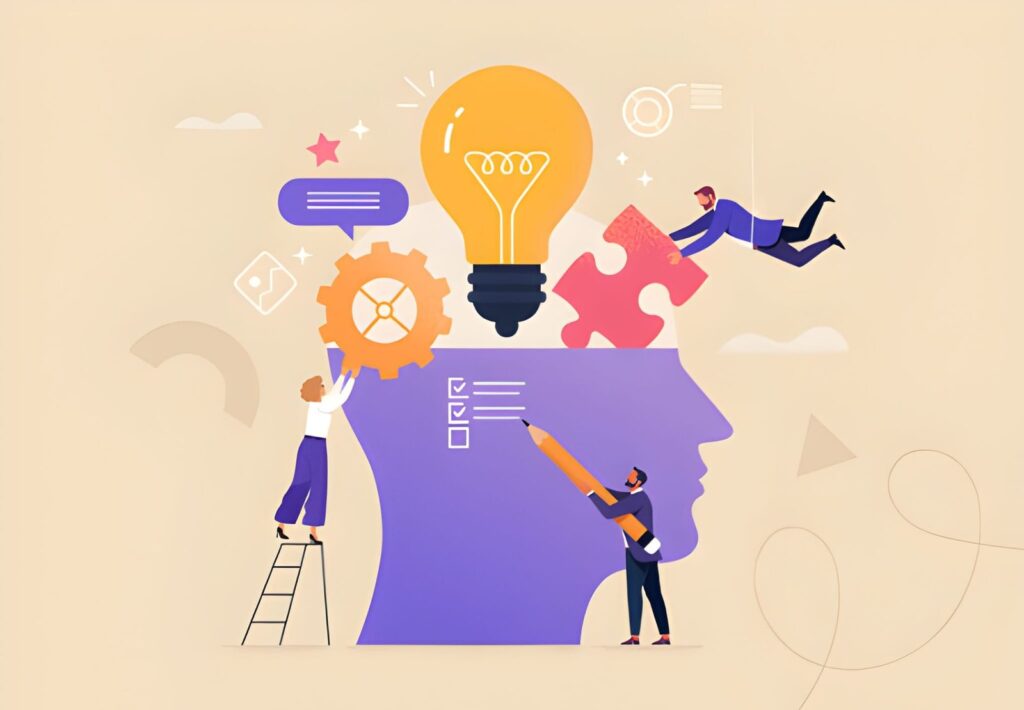

  • Building Innovation Through Creative Thinking

    Building Innovation Through Creative Thinking

    Innovation is often seen as something that belongs to technology companies, scientists, or large organizations. In reality, innovation can begin anywhere. It can start with a simple question, a new idea, or a different way of looking at an everyday problem. At the heart of many successful innovations is creative thinking—the ability to explore possibilities, challenge assumptions, and imagine solutions beyond the obvious.

    In a world that changes quickly, creative thinking has become an increasingly valuable skill. Businesses need fresh ideas to remain competitive, communities need new approaches to solve challenges, and individuals need the ability to adapt when familiar methods no longer work. By encouraging creative thinking, people can create an environment where innovation has the opportunity to grow.

    Creativity Is the Starting Point

    Every innovation begins as an idea. Before a new product is designed or a new process is introduced, someone must first imagine that it is possible.

    Creative thinking allows people to look beyond what already exists. Instead of accepting a problem as unavoidable, creative thinkers ask whether there might be a better way.

    This mindset can lead to breakthroughs of all sizes. A business might discover a more efficient process, a teacher might create a more engaging learning method, or a community might find a practical solution to a local challenge.

    Innovation does not always require a revolutionary invention. Sometimes, a small improvement can make a meaningful difference.

    Asking Better Questions

    Creative thinking often begins with curiosity. People who are willing to ask questions are more likely to discover opportunities for improvement.

    Questions such as “Why do we do this this way?” or “What would happen if we tried something different?” can challenge old assumptions.

    The goal is not to question everything without reason. Instead, thoughtful questions help people understand whether existing methods are still effective.

    Organizations that encourage curiosity often create more opportunities for innovation because employees feel comfortable exploring new possibilities.

    Learning From Failure

    Innovation requires experimentation, and experimentation does not always produce successful results.

    An idea may fail because it is impractical, too expensive, or simply not suited to the situation. While failure can be disappointing, it can also provide valuable information.

    Creative thinkers understand that unsuccessful attempts can reveal what needs to change.

    A healthy approach to innovation is therefore not to avoid every mistake but to learn from them. When people are allowed to experiment responsibly, they are more likely to discover better solutions.

    Collaboration Strengthens Creativity

    Creative ideas can become even more powerful when people work together. Different individuals bring different experiences, skills, and perspectives.

    One person may have a strong idea, while another can identify potential challenges. A third person may know how to turn the concept into something practical.

    This exchange of perspectives can lead to solutions that no individual might have developed alone.

    For collaboration to work effectively, people need to feel comfortable sharing ideas. A respectful environment encourages participation and allows creative thinking to flourish.

    Technology Supports Innovation

    Modern technology provides powerful tools for creative thinkers. Digital platforms allow people to design, test, communicate, and improve ideas more quickly.

    Artificial intelligence, data analysis, automation, and digital collaboration tools can help individuals explore possibilities that were previously difficult to access.

    However, technology alone does not create innovation. A tool is only useful when someone has a meaningful problem to solve or an idea worth developing.

    The best results often happen when human creativity and technology work together.

    Creating a Culture of Innovation

    Organizations can encourage innovation by creating a culture that values curiosity and experimentation.

    Leaders can give employees time to explore ideas, provide access to learning opportunities, and recognize thoughtful efforts.

    It is also important to avoid creating an environment where people are afraid to suggest something new. If every mistake is punished, individuals may become reluctant to take creative risks.

    A culture of innovation does not mean accepting every idea. It means creating a fair process for exploring, testing, and evaluating ideas.

    Continuous Learning Fuels Creativity

    Creative thinking grows when people are exposed to new information and experiences.

    Reading, learning new skills, exploring different industries, and meeting people with different perspectives can all inspire fresh ideas.

    Sometimes, an idea from one field can solve a problem in another. A concept used in nature might inspire engineering, while a technique from education might improve workplace training.

    The more people learn, the more connections they can make between seemingly unrelated ideas.

    Innovation Should Solve Real Problems

    Creative thinking is most valuable when it leads to meaningful solutions.

    A new idea may seem exciting, but innovation should ultimately address a genuine need or improve an existing situation.

    Before investing heavily in an idea, it is useful to understand the people who will benefit from it. Listening to their experiences can reveal important information about what actually needs to change.

    Successful innovation combines imagination with practical understanding.

    Everyone Can Contribute

    Innovation is not limited to executives, inventors, or specialists. Anyone can have an idea that improves a process or solves a problem.

    A new employee may notice an inefficiency that experienced workers have overlooked. A student may suggest a creative approach to a school project. A community member may identify a simple solution to a local issue.

    When organizations and communities value contributions from everyone, they create a larger pool of ideas and possibilities.

    Conclusion

    Building innovation through creative thinking requires curiosity, courage, collaboration, and a willingness to learn. Innovation begins when people look at challenges differently and become open to exploring new possibilities.

    Creative thinking encourages individuals to question old assumptions, experiment with ideas, learn from failure, and connect knowledge from different areas.

    Technology can provide powerful support, but human imagination remains the driving force behind meaningful innovation. When people are given the freedom to think creatively and the support to test their ideas, even simple thoughts can grow into valuable solutions.

    Ultimately, innovation is not about having one perfect idea. It is about creating a mindset where better ideas can continuously emerge. By encouraging curiosity, welcoming diverse perspectives, and treating challenges as opportunities to learn, individuals and organizations can build a future where creativity becomes a constant source of progress.

  • Understanding Educational Psychology

    Understanding Educational Psychology

    Educational psychology is the study of how people learn, develop, and retain knowledge in educational settings. It X88 combines psychology, teaching methods, child development, motivation, and learning theory to improve the way education is delivered. Whether in a classroom, online course, training program, or special education environment, educational psychology helps teachers, parents, and policymakers understand how learners think and what they need to succeed.

    In today’s rapidly changing world, understanding educational psychology is more important than ever. Students come from diverse backgrounds, learn at different speeds, and face unique emotional, social, and cognitive challenges. By applying principles of educational psychology, educators can create more effective, inclusive, and supportive learning environments.

    What Is Educational Psychology?

    Educational psychology focuses on the mental processes involved in learning. It studies how students absorb information, solve problems, develop skills, and respond to different teaching strategies. This field also examines how factors such as motivation, memory, intelligence, personality, and social interaction affect academic performance.

    Educational psychologists often work with teachers, schools, and families to identify learning difficulties, improve instructional methods, and support student well-being. Their work may involve assessment, research, counseling, curriculum design, and intervention planning.

    At its core, educational psychology asks important questions such as: How do students learn best? Why do some learners struggle while others excel? What teaching methods improve understanding? How can schools support emotional and cognitive development?

     The Importance of Educational Psychology in Learning

    Educational psychology plays a key role in improving the learning process. It helps educators understand that learning is not the same for every student. Some learners may benefit from visual materials, while others respond better to hands-on activities, discussion, or repetition.

    By understanding these differences, teachers can adapt their lessons to meet individual needs. This leads to better engagement, stronger comprehension, and improved academic outcomes. Educational psychology also helps teachers recognize signs of stress, anxiety, learning disabilities, or behavioral challenges that may affect a student’s ability to learn.

    Another important benefit is improved classroom management. When educators understand student behavior, they can create positive routines, encourage cooperation, and reduce disruptions. This helps build a safe and productive classroom environment where students feel respected and motivated.

    Key Theories in Educational Psychology

    Several major theories guide the field of educational psychology. These theories help explain how learning happens and how teaching can be improved.

    Behaviorism

    Behaviorism focuses on observable behavior. It suggests that learning occurs through rewards, consequences, and reinforcement. For example, when students receive praise for completing work, they may be more likely to repeat that behavior. Behaviorist strategies are often used in classroom management and skill-building activities.

    Cognitivism

    Cognitivism emphasizes mental processes such as thinking, memory, attention, and problem-solving. This theory views learners as active participants who organize and interpret information. Teachers who use cognitive approaches may focus on helping students make connections, use learning strategies, and develop critical thinking skills.

    Constructivism

    Constructivism suggests that learners build knowledge through experience and reflection. Instead of simply receiving information, students actively create meaning based on what they already know. Constructivist teaching often includes group projects, experiments, discussions, and real-world problem-solving.

    Social Learning Theory

    Social learning theory highlights the importance of observation and imitation. Students often learn by watching teachers, parents, and peers. Positive role models, collaborative activities, and classroom culture can strongly influence learning and behavior.

    The Role of Motivation in Education

    Motivation is one of the most important topics in educational psychology. Students who are motivated are more likely to participate, persist through challenges, and achieve academic success. Motivation can be intrinsic or extrinsic.

    Intrinsic motivation comes from within. A student may read a book because they enjoy the story or study science because they are curious about the world. Extrinsic motivation comes from outside rewards, such as grades, praise, prizes, or approval.

    Educational psychology helps teachers find ways to increase both types of motivation. This may include setting clear goals, offering meaningful feedback, giving students choices, and connecting lessons to real-life interests. When students understand the purpose of what they are learning, they are more likely to stay engaged.

    Educational Psychology and Child Development

    Child development is closely connected to educational psychology. Children’s thinking, language, emotions, and social skills change as they grow. Effective teaching must match a learner’s developmental stage.

    For example, Khuyến Mãi X88 often learn best through play, exploration, and concrete examples. Older students may be ready for abstract thinking, independent research, and complex problem-solving. Understanding developmental stages helps educators set realistic expectations and provide age-appropriate instruction.

    Educational psychology also recognizes the importance of emotional development. A student’s confidence, self-esteem, and sense of belonging can strongly influence learning. Supportive relationships with teachers and classmates can help students feel safe enough to take risks and make mistakes, which are essential parts of learning.

    Supporting Students with Diverse Needs

    One of the most valuable contributions of educational psychology is its support for diverse learners. Students may differ in language background, culture, ability, learning style, attention span, and emotional needs. Some students may have conditions such as dyslexia, ADHD, autism spectrum disorder, anxiety, or intellectual disabilities.

    Educational psychologists help identify these needs through assessment and observation. They may recommend individualized education plans, classroom accommodations, or specialized interventions. These supports can include extra time on tests, assistive technology, small-group instruction, or modified assignments.

    Inclusive education depends on understanding that every learner has strengths. Educational psychology encourages teachers to focus not only on challenges but also on each student’s potential.

  • Healthy Lifestyle Habits for Busy Professionals

    Healthy Lifestyle Habits for Busy Professionals

    Maintaining a healthy lifestyle can feel challenging when your calendar is packed with meetings, deadlines, travel, and personal responsibilities. For many busy professionals, health often takes a back seat to productivity. However, the truth is that your energy, focus, mood, and long-term success depend heavily on your daily habits.

    The good news is that living well does not require a complete life overhaul. By making small, consistent changes, busy professionals can improve physical health, reduce stress, and perform better at work. Here are practical healthy lifestyle habits that fit into even the busiest schedule.

    1. Start Your Day With a Simple Morning Routine

    A productive day often begins with a calm and intentional morning. Instead of immediately checking emails or scrolling through your phone, take a few minutes to prepare your mind and body.

    A healthy morning routine might include drinking a glass of water, stretching for five minutes, practicing deep breathing, or writing down your top three priorities for the day. These Ga6789 simple actions help reduce stress and give you a sense of control before your workday begins.

    You do not need an hour-long routine. Even 10 minutes of mindful activity can make a noticeable difference in your energy and focus.

    2. Prioritize Nutritious Meals

    Busy professionals often rely on fast food, vending machine snacks, or skipped meals. While convenient, these habits can lead to low energy, weight gain, poor concentration, and digestive issues.

    To support a healthy lifestyle, focus on balanced meals that include lean protein, whole grains, healthy fats, fruits, and vegetables. For example, a lunch with grilled chicken, brown rice, avocado, and salad provides lasting energy without the afternoon crash.

    Meal preparation can also save time during the week. Preparing a few healthy meals or snacks in advance helps you avoid unhealthy choices when work gets hectic. Keep easy options on hand, such as Greek yogurt, nuts, fruit, boiled eggs, or whole-grain wraps.

    3. Stay Hydrated Throughout the Day

    Hydration is one of the simplest but most overlooked healthy habits for busy professionals. Dehydration can cause fatigue, headaches, poor focus, and irritability—symptoms that can affect your performance at work.

    Keep a reusable water bottle at your desk and aim to drink water regularly throughout the day. If plain water feels boring, add lemon, cucumber, mint, or berries for natural flavor.

    A helpful strategy is to drink a glass of water when you wake up, before each meal, and during breaks. Reducing excessive caffeine and sugary drinks can also improve hydration and support better sleep.

    4. Move More, Even With a Desk Job

    Sitting for long hours is common in professional environments, but it can negatively affect posture, circulation, metabolism, and overall health. You do not need to spend hours at the gym to stay active. The key is to incorporate movement into your daily routine.

    Take short walking breaks, use the stairs, stretch between meetings, or try standing while taking phone calls. If possible, schedule walking meetings or park farther away from the office.

    Aim for at least 150 minutes of moderate exercise per week, such as brisk walking, cycling, swimming, or strength training. Even 20 to 30 minutes a day can improve heart health, boost mood, and increase productivity.

    5. Protect Your Sleep Schedule

    Sleep is essential for mental clarity, emotional balance, immune function, and physical recovery. Unfortunately, many busy professionals sacrifice sleep to finish work or manage personal tasks.

    To build a healthier lifestyle, create a consistent sleep schedule. Try to go to bed and wake up at the same time each day, even on weekends. Limit screen time before bed, avoid heavy meals late at night, and create a relaxing bedtime routine.

    Quality sleep improves decision-making, memory, creativity, and stress management. In many cases, getting enough rest can make you more productive than working late into the night.

    6. Manage Stress Before It Builds Up

    Stress is a normal part of professional life, but chronic stress can harm your health. It may contribute to high blood pressure, anxiety, burnout, poor sleep, and unhealthy eating habits.

    Busy professionals should make stress management a daily priority. Simple techniques such as deep breathing, meditation, journaling, walking, or listening to calming music can help reset your nervous system.

    Setting boundaries is also important. Avoid checking work messages constantly after hours if possible. Learn to say no when your schedule is overloaded. Protecting your mental health allows you to perform better and enjoy life outside of work.

    7. Plan Your Workday Strategically

    A healthy lifestyle is not only about diet and exercise. Time management also plays a major role in well-being. When your workday is disorganized, stress increases and healthy habits are often neglected.

    Start each day by identifying your most important tasks. Use time-blocking to schedule focused work, meetings, breaks, meals, and exercise. Avoid multitasking when possible, as it can reduce efficiency and increase mental fatigue.

    Taking short breaks during the day can improve concentration and prevent burnout. Even a five-minute pause to stretch, breathe, or walk away from your screen can refresh your mind.

    8. Choose Healthy Snacks for Sustained Energy

    Snacking can either support or harm your health, depending on your choices. Sugary snacks may provide quick energy, but they often lead to crashes that affect productivity.

    Instead, choose snacks that combine protein, fiber, and healthy fats. Good options include almonds, hummus with vegetables, cottage cheese, fruit with peanut butter, or whole-grain crackers with tuna.

    Keeping healthy snacks at your desk or in your bag helps you avoid impulsive choices when hunger strikes during a busy workday.

    9. Build Consistency, Not Perfection

    One of the biggest mistakes professionals make is thinking that healthy living requires perfection. In reality, consistency matters more than extreme routines.

    If you miss a workout, eat an unhealthy meal, or sleep poorly one night, do not give up. Simply return to your healthy habits at the next opportunity. Small actions repeated over time create lasting results.

    Focus on realistic goals, such as drinking more water, walking during lunch, cooking at home three times a week, or going to bed 30 minutes earlier.

    Conclusion: Make Health Part of Your Success Strategy

    Healthy lifestyle habits for busy professionals are not luxuries—Đá gà tre they are essential tools for long-term success. When you eat well, move regularly, sleep enough, manage stress, and plan your time wisely, you improve both your health and your professional performance.

    Start small and choose one or two habits to improve this week. Over time, these simple changes can lead to more energy, better focus, reduced stress, and a healthier, more balanced life.

  • Hello world!

    Welcome to WordPress. This is your first post. Edit or delete it, then start writing!